Designing a seamless digital experience that builds trust and turns event inquiries into bookings.
Role
UI/UX Designer
Tools
Figma
Framer
Cross Collaboration
Owner/Founder
The Challenge
The Nice Bartender is a mobile bartending service that currently operates through Instagram and word-of-mouth referrals. While this has been effective for early growth, the lack of a dedicated website limits their ability to showcase services professionally, streamline inquiries, and build long-term trust with potential clients. To scale their business and stand out in a competitive event services market, The Nice Bartender needs a website that serves as a central hub for their brand, services, testimonials, and booking requests.
How Might We?
How might we simplify the booking and inquiry process for potential clients while highlighting the value of The Nice Bartender’s services?
The Solution
Create a Bold & Distinctive Brand
I established a visual direction that reflects the energetic and premium personality of The Nice Bartender.
Bold typography & color palette — Used oversized typography with a black, cream, and gold color system to create a recognizable visual identity.
Custom imagery & illustrations — Combined cocktail illustrations, photography, and event imagery to give the brand a unique personality.
Communicate the Service Immediately
I designed the hero section to quickly communicate what The Nice Bartender does and encourage visitors to take action.
Clear value proposition — Used the headline “Let’s Have a Party, We’ll Bring the Bar” to immediately establish the service and brand personality.
Prominent CTA — Added an Enquire Now button directly within the hero so interested visitors have an immediate path to contact the business.
Create a Personal Connection
I introduced the bartender behind the business to make the experience feel more personal and approachable.
Personal introduction section — Added “A Bartender You’ll Actually Like” to introduce the person behind the service.
Photography & storytelling — Used a large portrait and supporting copy to give potential clients a sense of who they would be hiring.
Make Service Options Easy to Compare
I organized the different service levels so clients could quickly understand their options and choose what fits their event.
Three-tier package system — Created Essential Bar Service, Premium Cocktail Service, and Luxury Open-Bar Experience options.
Transparent package details — Displayed pricing, service duration, inclusions, and other important details directly within each package.
Showcase the Experience Through Real Events
I used visual content to help potential clients imagine The Nice Bartender at their own event.
Event gallery — Featured photographs from previous events to demonstrate the service in a real-world setting.
Portfolio CTA — Added a View Portfolio button to encourage visitors to explore more examples of previous work.
Simplify the Path From Interest to Inquiry
I created a straightforward inquiry experience that makes it easy for potential clients to start a conversation.
Dedicated inquiry form — Created a centralized form that captures key information such as contact details, event type, service package, and event date.
Multiple conversion points — Used strategically placed Inquire Now buttons throughout the page to give users multiple opportunities to take action.
1.DISCOVERY
Competitive Analysis
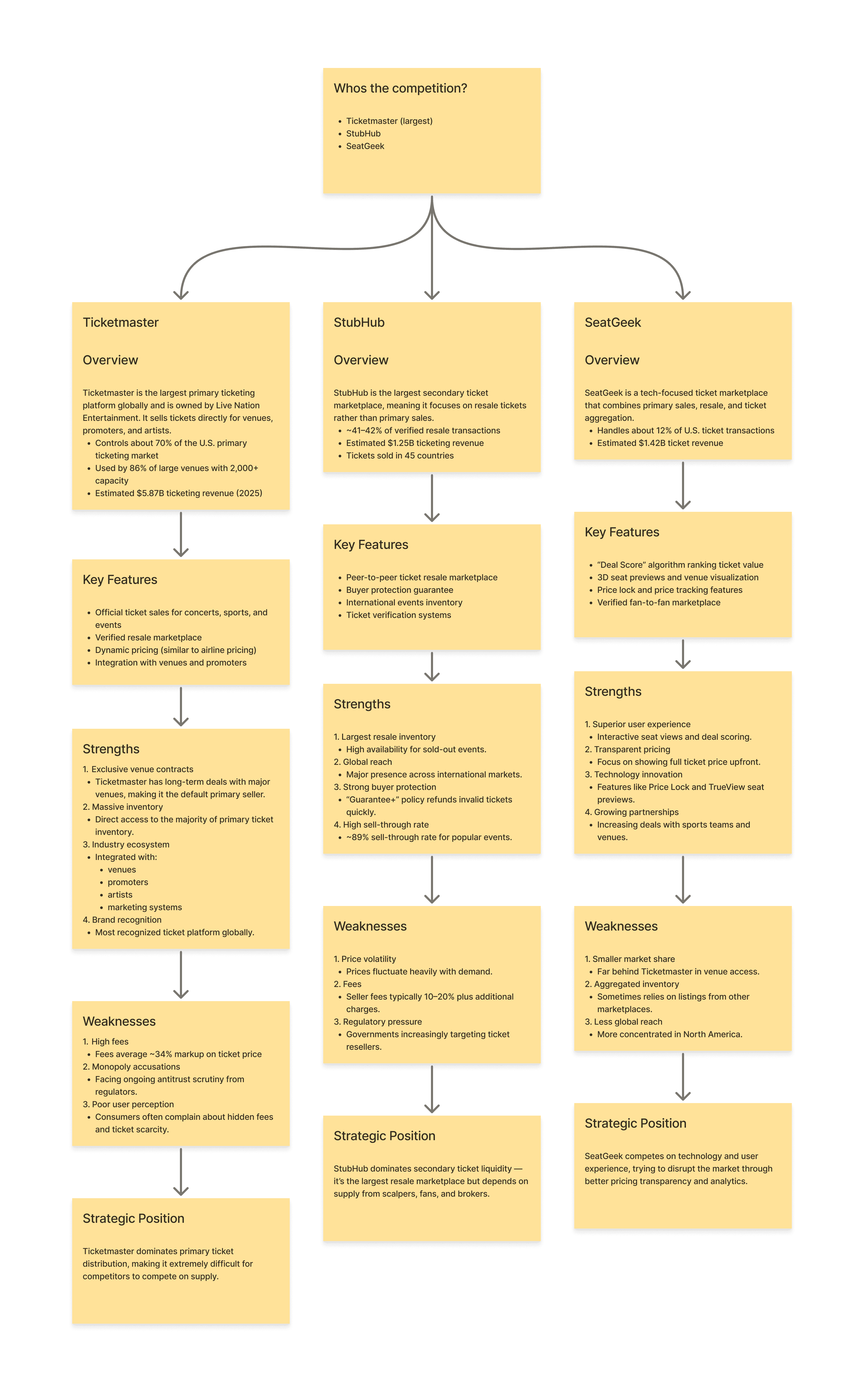
I conducted a competitive analysis of leading ticketing platforms, including Ticketmaster, StubHub, and SeatGeek, to understand how users currently discover and purchase event tickets. This analysis focused on identifying strengths, weaknesses, and gaps in the ticket-buying experience
Qualitative Research
Open-ended responses revealed several recurring themes:
In summary, users perceive the ticket purchasing process as unfair, unpredictable, and profit-driven, often feeling that ticket platforms prioritize revenue over fan access.
Quantitative Research
From the survey responses, several patterns emerged:
71% of participants reported experiencing tickets selling out instantly at least once.
57% of participants attend concerts 2–3 times per year, indicating ticket purchases are occasional but important events.
57% of participants reported never purchasing resale tickets, suggesting hesitation or distrust toward resale markets.
100% of participants said they would consider using a ticket platform that guarantees fair access and prevents scalping.
The most commonly used platforms were Ticketmaster and StubHub, with occasional usage of SeatGeek.
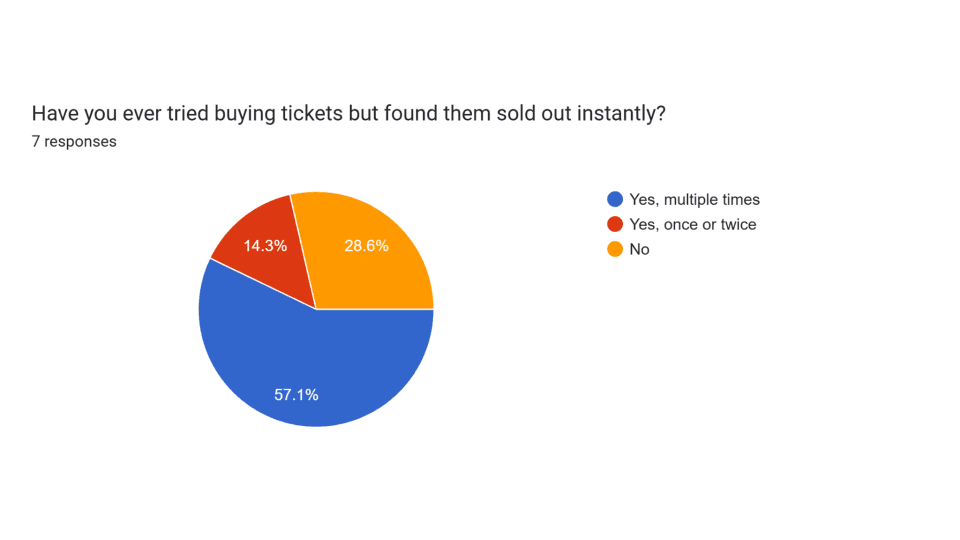
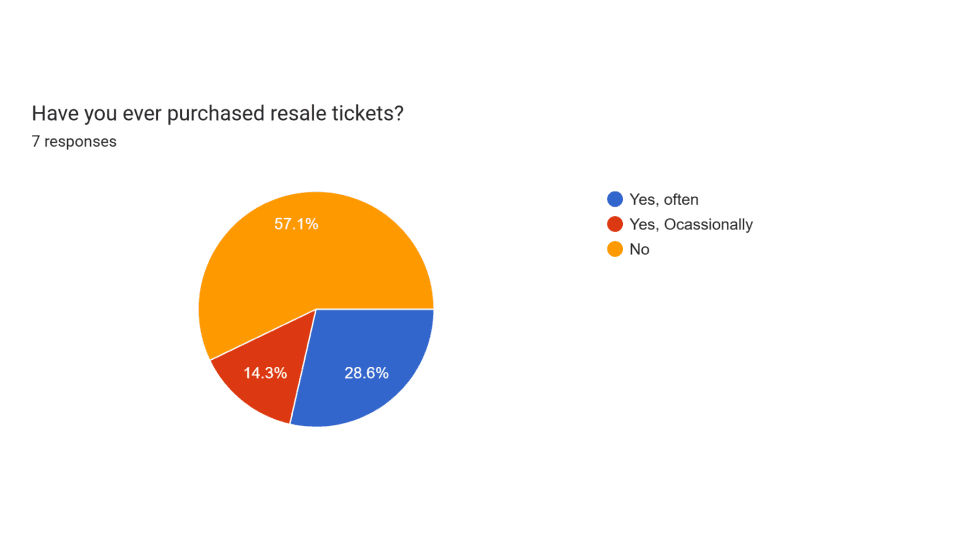
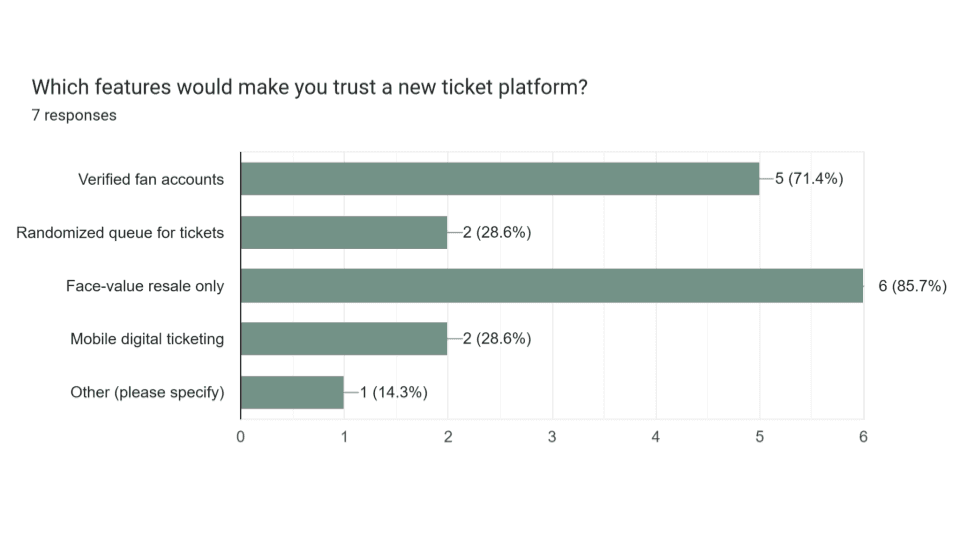
The research indicates that concertgoers are highly motivated to attend live events but feel disadvantaged by the current ticket purchasing system. Rapid sell-outs, resale markups, and perceived bot activity create a sense that the system favors scalpers over genuine fans.
User Persona
The primary user is a young, tech-savvy music fan who regularly attends live events and values memorable experiences.
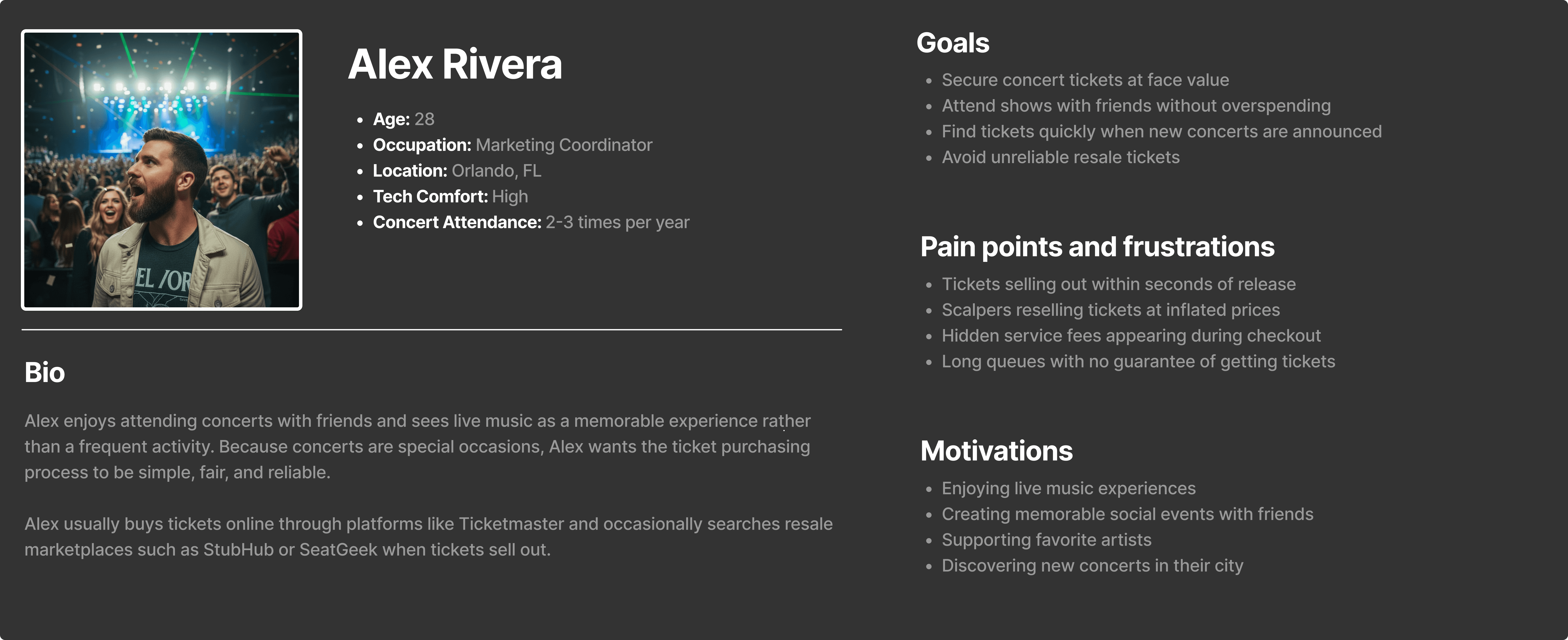
Key Insights
DEFINE & IDEATE
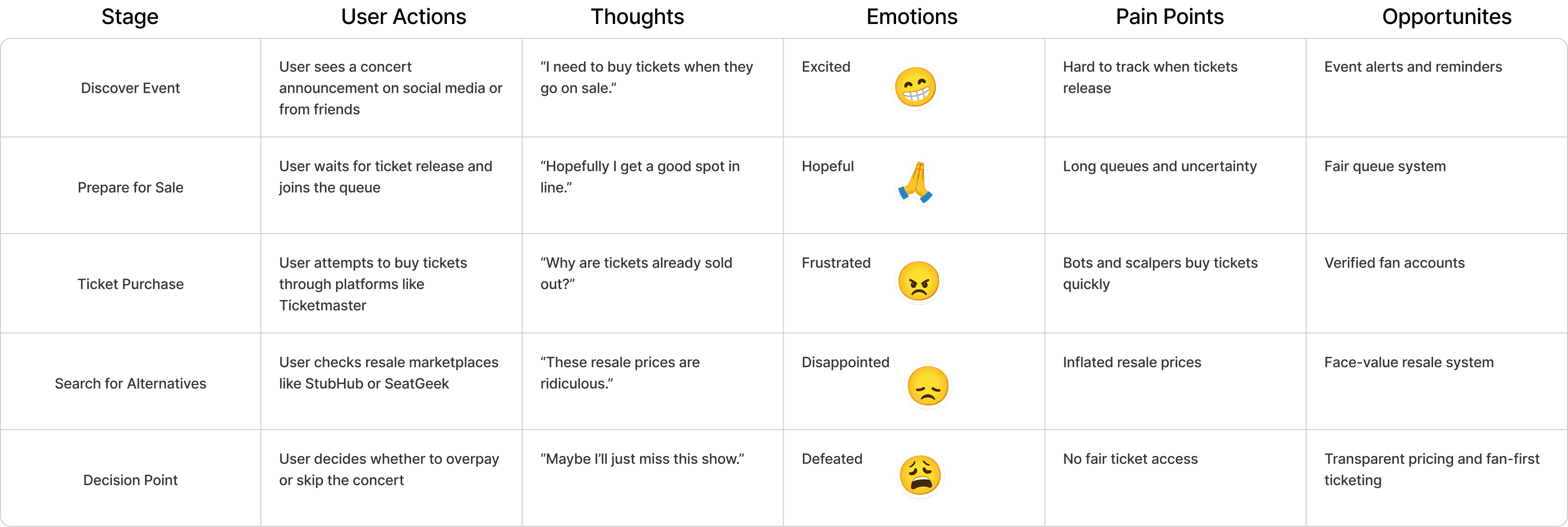
Journey Map
The user journey begins with discovering events through a swipe-based, engaging home feed, allowing users to quickly browse and explore concerts.
User Flow
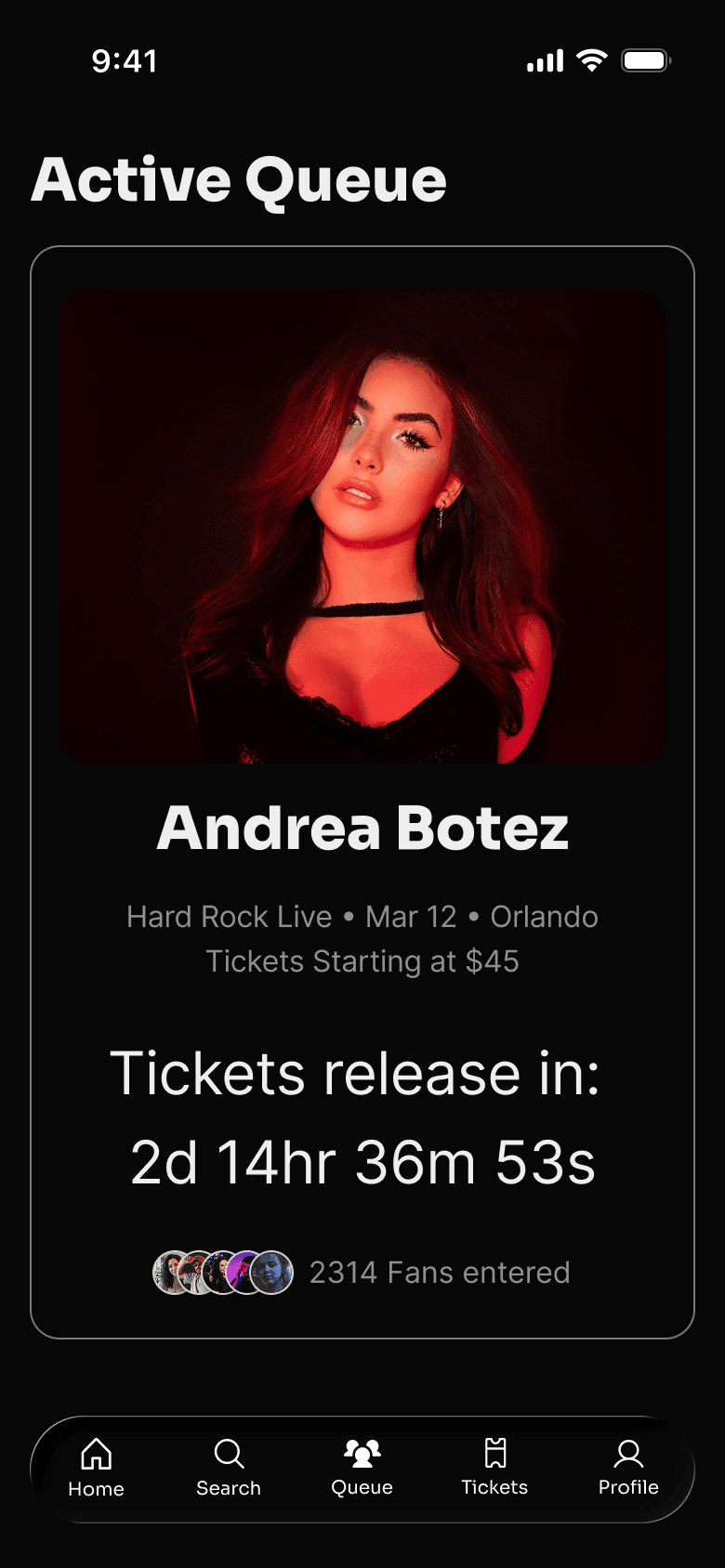
Next, I created a User Flow to organize all the pages and features Nightlife needed. From the landing screen, joining ticket queues, notification of winning a ticket, to checkout.

Wireframing
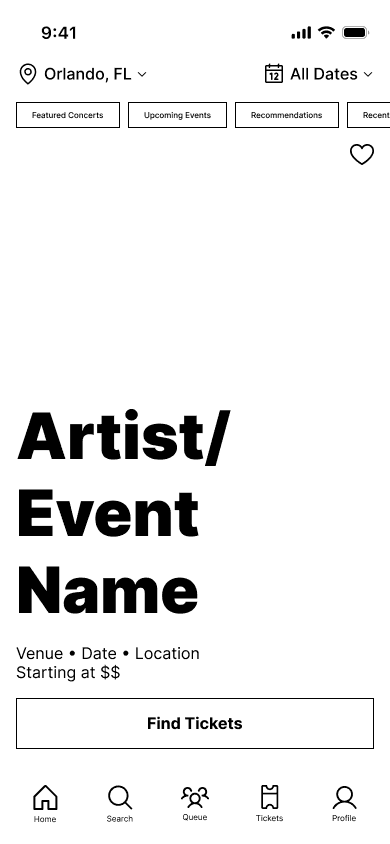
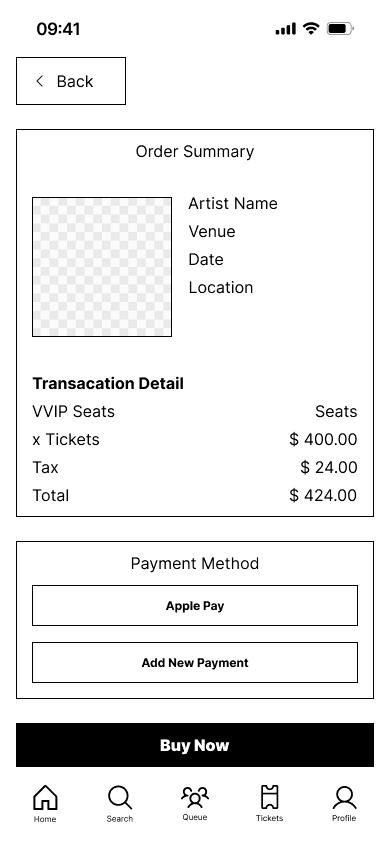
In the wireframing phase of Nightlife, I focused on translating early ideas into clear, functional layouts that prioritized usability and flow.
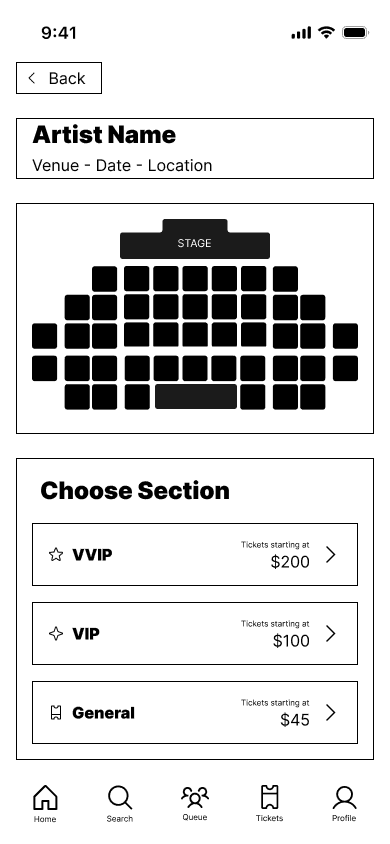
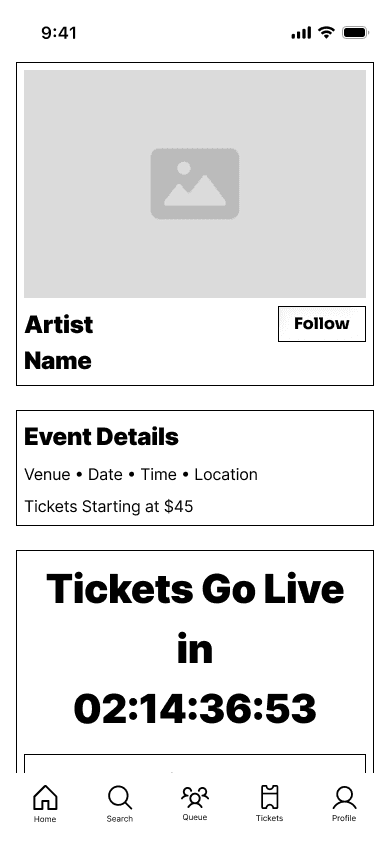
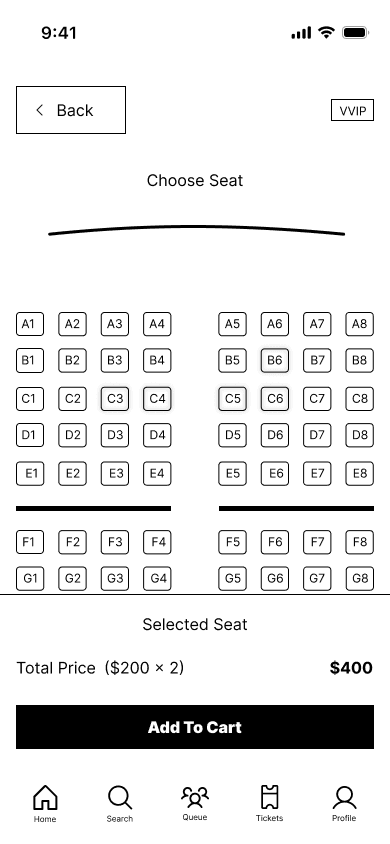
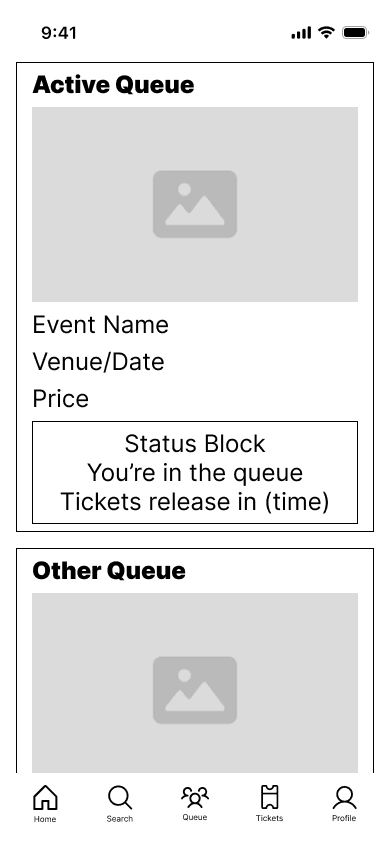
UI DESIGN
Color Palette
The Nightlife color palette was designed to balance bold branding with clear readability. The primary purple and soft coral is used for branding elements and call-to-action buttons, helping key interactions stand out and guide user attention. Best black is applied to the background to ensure strong contrast and comfortable reading, while the off-white is used for headings to create visual hierarchy and a softer, more modern feel against darker backgrounds.
Deep Violet
HEX
#8B5CF6
RGB
139, 92, 246
Best Black
HEX
#070707
RGB
7, 7, 7
Off White
HEX
#EEEEEE
RGB
238, 238, 238
Soft Coral
HEX
#EF786F
RGB
238, 238, 238

Typography
The typography was chosen to create a strong visual hierarchy while maintaining readability. Sora Extra Bold is used for headings and call-to-action elements, giving the interface a bold, modern presence that draws attention to key actions and sections. Inter Regular is used for paragraph text, providing a clean and highly legible reading experience that supports longer content without overwhelming the user.
Sora
ABCDEFGHIJKLMNOPQRSTUVWXYZ
abcdefghijklmnopqrstuvwxyz
1234567890
Inter
ABCDEFGHIJKLMNOPQRSTUVWXYZ
abcdefghijklmnopqrstuvwxyz
1234567890
Logo
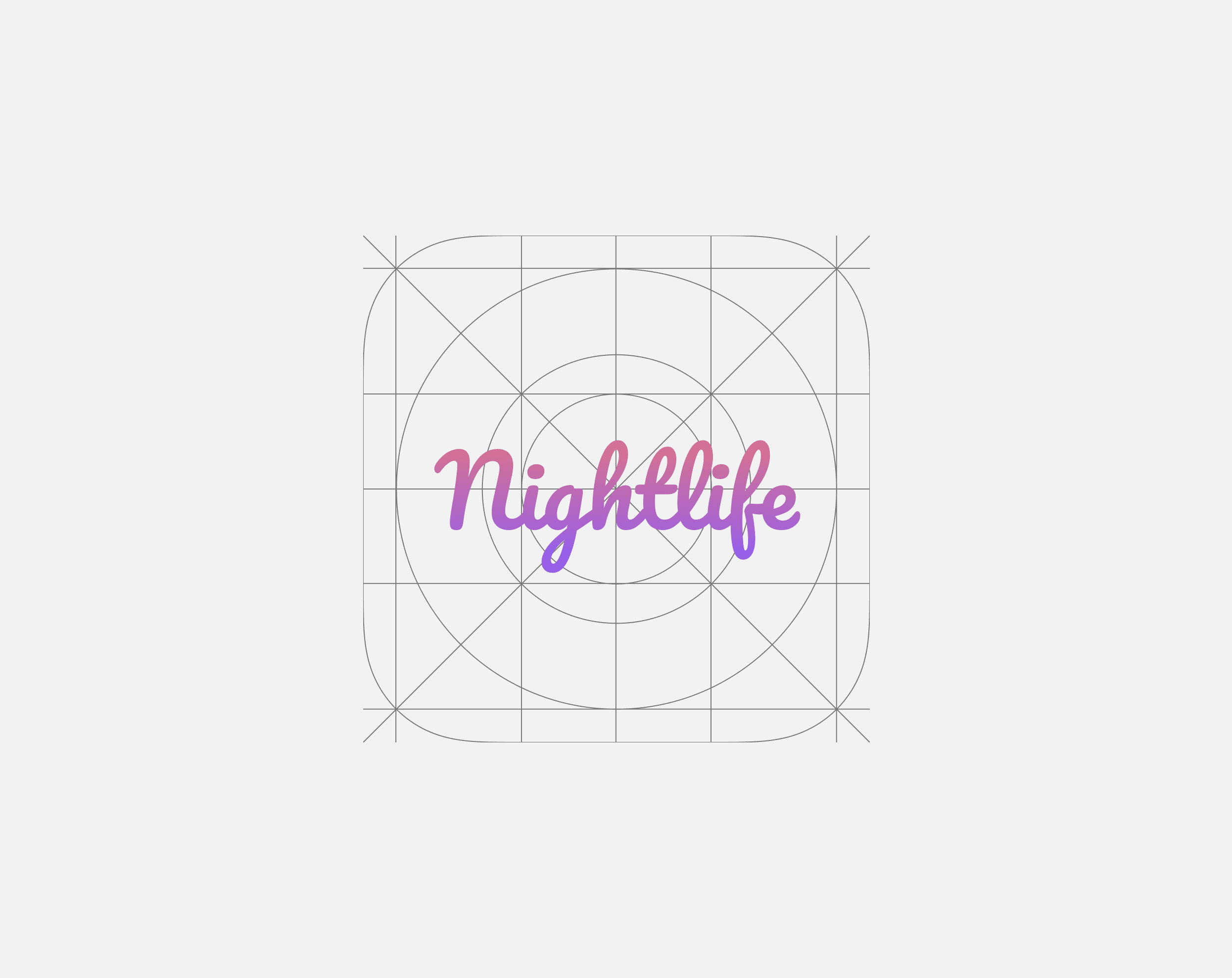
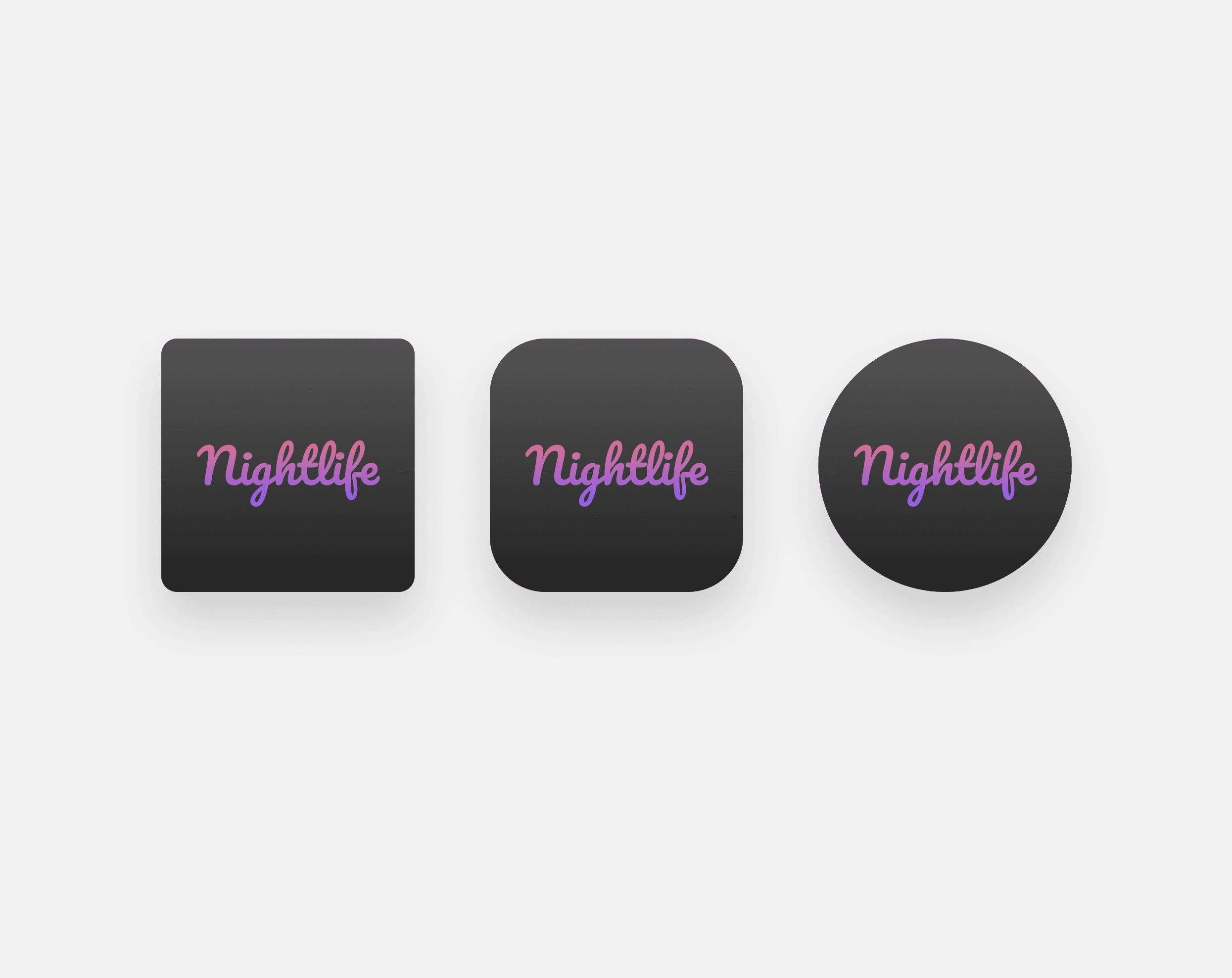
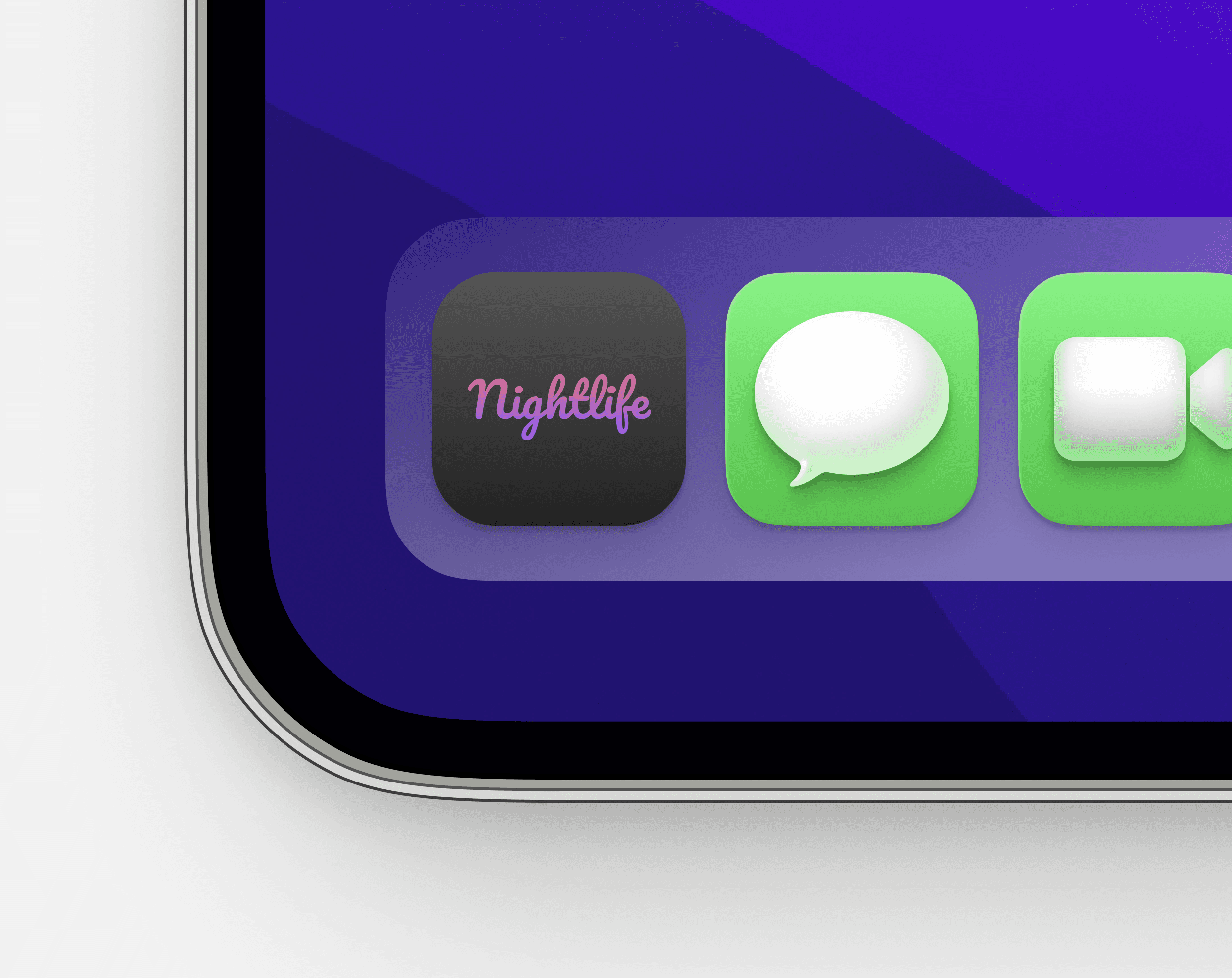
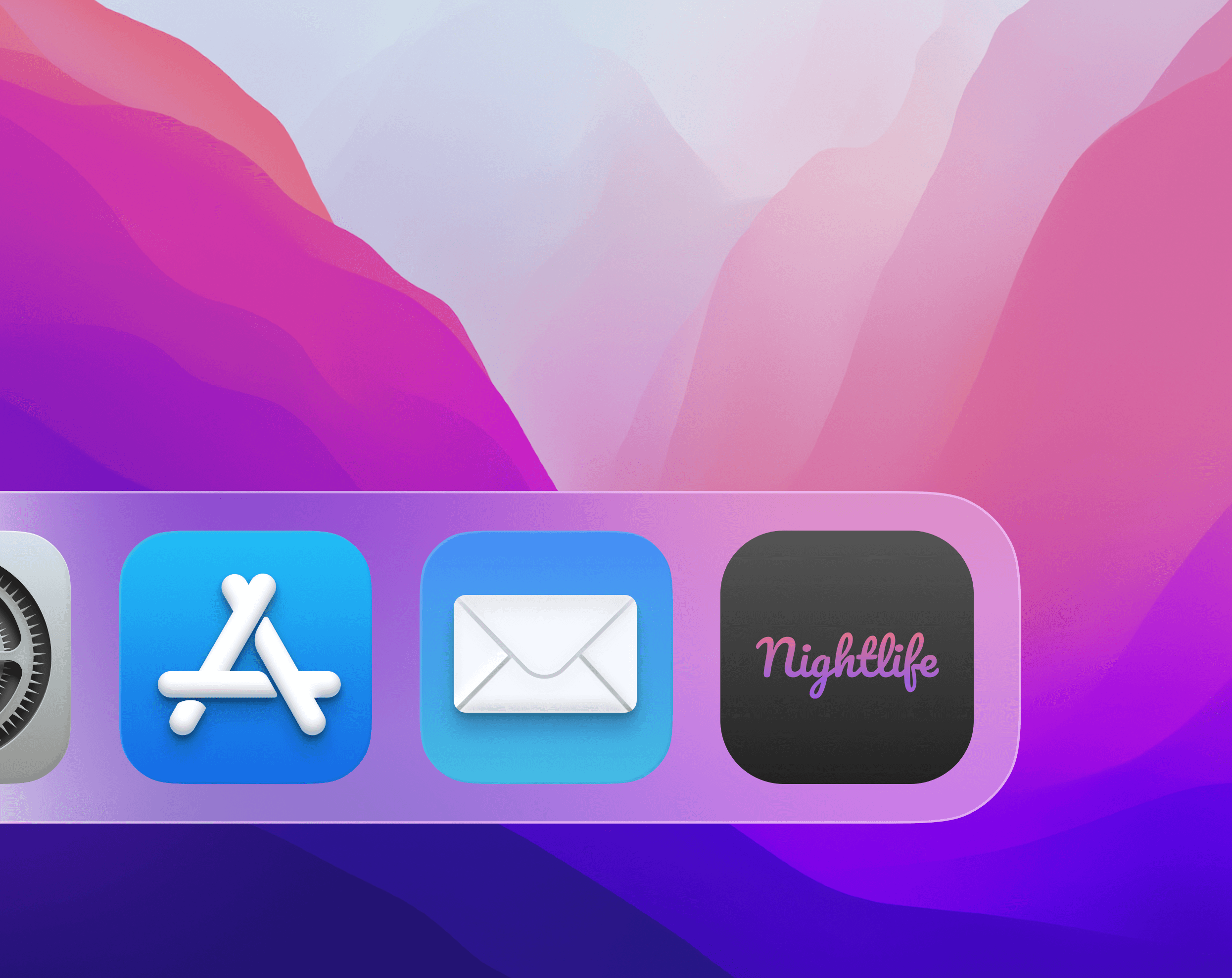
The Nightlife brand uses a gradient of purple and soft coral to create a bold yet inviting visual identity. The purple reflects the energy and vibrancy of nightlife, while the soft coral adds warmth and excitement that draws users in. Blending these colors into a gradient creates depth and a sense of motion, making the logo and CTAs feel more dynamic and eye-catching. I paired this with the Pacifico font to give the brand a smooth, expressive feel. Its flowing, script style adds personality and reinforces a fun, social atmosphere that aligns with the overall nightlife experience.
4.USABILITY TESTING
Putting the Design to the Test
I conducted moderated usability tests with five participants who regularly purchase digital games online. Each user completed core shopping tasks such as selecting a platform, adding a game to the cart, and checking out. Observing their interactions uncovered key insights - most users found the process fast and intuitive, though some initially struggled with platform selection. These findings guided refinements that streamlined navigation and improved clarity across the purchasing flow.
Homepage
Users were able to quickly understand where to start and how to browse available events without confusion. The layout and visual hierarchy effectively guided attention toward key entry points, confirming that the homepage supports efficient discovery at first glance.
Filters
Although users understood the filtering system (date, genre, location), most preferred browsing visually rather than refining results. This validated that filters function as a supportive tool rather than a primary navigation method, reinforcing the decision to keep them accessible but unobtrusive.
Event Details
Participants consistently found event details easy to scan and understand, including time, location, and lineup information. No major usability issues were observed, indicating that the final UI effectively communicates essential information without cognitive overload.
Ticket Purchase
Users completed the ticket selection and checkout path with confidence and minimal hesitation. The clear call-to-action hierarchy and step progression helped reduce uncertainty, confirming that the final flow supports a straightforward path from interest to purchase.
5.RESULTS & IMPACT
Where the Design Delivered
The final design for Nightlife successfully validated the core user flow, from event discovery to ticket purchase. Usability testing showed that users were able to navigate the platform intuitively, with minimal friction across key tasks such as finding events, applying filters, and completing checkout.
The streamlined event browsing experience improved clarity and reduced decision fatigue, allowing users to quickly identify relevant concerts without needing additional guidance. The simplified ticket flow also increased user confidence during purchase, with participants completing checkout steps more smoothly and with fewer points of hesitation compared to earlier iterations.
My Final Thoughts
The Nightlife project brought together discovery, decision-making, and purchase into a single cohesive experience centered around concert exploration. One of the key winning moments was refining the event discovery flow
Winning Moments
A particularly rewarding outcome was seeing how users naturally engaged with filtering and event details once the core browsing experience felt intuitive. Even though filters were not the primary mode of exploration, their presence supported more intentional decision-making without overwhelming the interface. This balance between exploration and simplicity became a defining strength of the product.
Lessons Learned
From a learning perspective, this project reinforced the importance of hierarchy and progressive disclosure in content-heavy experiences. Small decisions like when to surface key information and how many actions to present at once had a significant impact on user confidence and flow. It also highlighted that usability testing at the final stage is just as valuable for validation and refinement as earlier rounds are for discovery. Overall, Nightlife strengthened my ability to design end-to-end flows that feel both engaging and frictionless.